Permanent Recruitment Our Staffing Solutions We provide highly qualified candidates for long‑term and strategic positions within your organization. Temporary Staffing Immediate reinforcements for your short‑term projects or peak activity periods. Outsourcing & BPO Externalize specific business functions to improve efficiency and reduce operational costs. Executive Search Specialized headhunting for executives, senior managers, and highly skilled experts.
Why Choose Us?
[history]
Save Time
We handle the entire recruitment process so you can focus on your core business.
[shrink]
Qualified Talent Pool
Access a wide network of pre‑screened, certified, and immediately available candidates.
[receiver]
Dedicated Support
A dedicated HR consultant works closely with you to identify your needs and deliver the best profile matches.
[settings]
Total Flexibility
Temporary staffing, permanent hiring, or full outsourcing — we adapt to your requirements..
“Fast and reliable service. The profiles provided matched our expectations perfectly.” B.A Veolia services
“We were able to strengthen our IT department in record time thanks to their expertise.” N.B Mariott Casablanca
In today’s digital world, cyber threats are evolving faster than ever. From ransomware and phishing attacks to advanced persistent threats (APTs), organizations of all sizes face significant risks. Effectively defending against these threats requires a combination of technology, processes, and human awareness.
1. Conduct Regular Risk Assessments
The first step in thwarting cyber threats is understanding where your vulnerabilities lie. Regular risk assessments help identify weak points in networks, applications, and processes. By prioritizing the most critical risks, organizations can allocate resources efficiently and take proactive measures to reduce exposure.
2. Implement Layered Security Measures
No single security solution can defend against all threats. A multi-layered approach includes:
Firewalls and Intrusion Detection/Prevention Systems (IDS/IPS) to monitor and block malicious traffic.
Endpoint Protection on all devices, including antivirus, anti-malware, and EDR (Endpoint Detection and Response).
Network segmentation to contain breaches and limit lateral movement of attackers.
Strong access controls with multi-factor authentication (MFA).
3. Keep Systems and Software Updated
Many attacks exploit known vulnerabilities in software and operating systems. Regular patching and updates are crucial to close these gaps. Automated patch management tools can help ensure timely updates across all devices and applications.
4. Educate and Train Employees
Human error remains one of the biggest cybersecurity risks. Regular training on phishing, social engineering, and safe online practices empowers employees to recognize and report suspicious activity. Simulated phishing campaigns can help reinforce learning.
5. Monitor and Respond in Real-Time
Continuous monitoring of networks, endpoints, and logs allows for the early detection of suspicious activity. Security Information and Event Management (SIEM) systems, combined with threat intelligence feeds, can alert teams to potential incidents, enabling rapid response and mitigation.
6. Develop an Incident Response Plan
No system is completely immune to cyberattacks. Having a clear incident response plan ensures that organizations can act quickly to contain damage, restore systems, and communicate effectively with stakeholders. Regular drills and updates to the plan keep the response effective and relevant.
7. Leverage Advanced Technologies
Emerging technologies such as AI-driven threat detection, behavioral analytics, and automated response tools help organizations stay ahead of sophisticated attackers. By analyzing patterns and anomalies in real-time, these tools can detect threats that traditional methods might miss.
Conclusion
Defending against cybersecurity threats requires a holistic strategy that combines technology, processes, and people. By assessing risks, implementing layered security, educating employees, and maintaining vigilant monitoring, organizations can significantly reduce their exposure and stay resilient against the ever-changing threat landscape.
Driving Innovation and Modernization in Technology
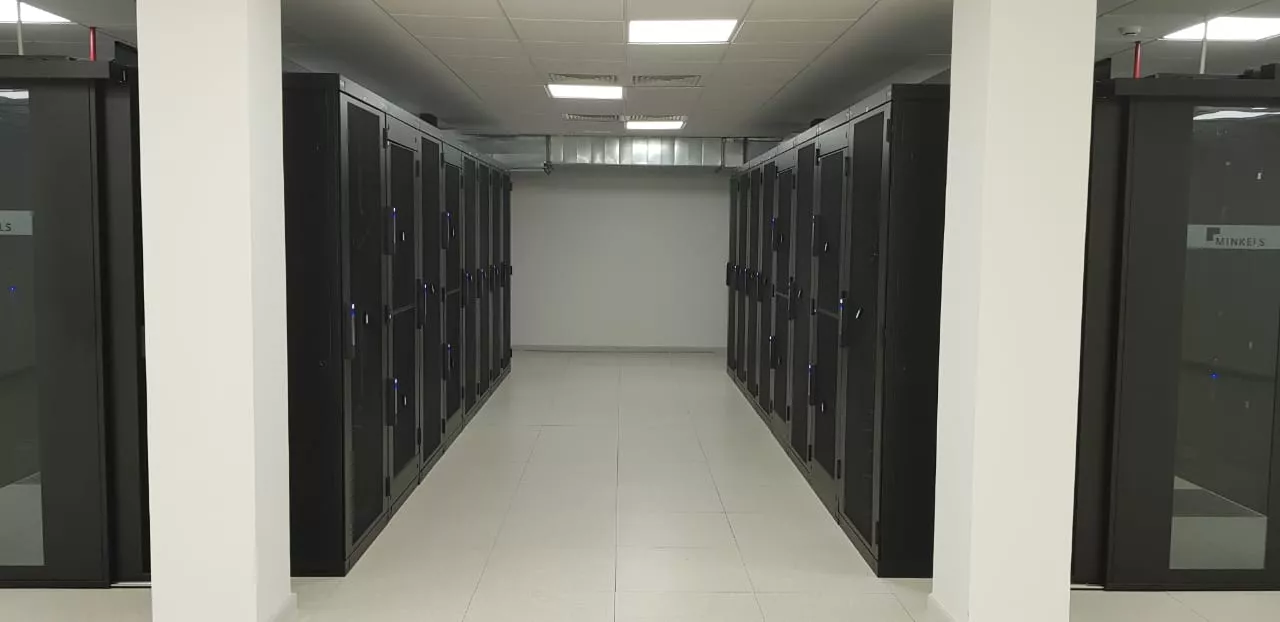
Welcome to our company, a leading integrator of cloud data centers and development solutions, offering comprehensive resource rental services tailored to meet the evolving demands of businesses
This email address is being protected from spambots. You need JavaScript enabled to view it.
Our platform works by allowing users to easily browse and select from a diverse range of cloud data center solutions, development services, and rental resources, enabling them to seamlessly integrate the right technologies and tools for their specific business needs..
Integrate
Our company specializes in the integration of information systems, ensuring seamless communication and efficiency across platforms.
Automate
Our teams have extensive expertise in cybersecurity and automation, ensuring secure and efficient digital solutions.
Innovate
We offer experienced professionals who can operate either remotely or directly on-site to support our clients' needs.
Our teams have strong expertise in DevOps practices and tools
By adopting DevOps best practices, we bridge the gap between development and operations, accelerating innovation and improving system reliability
MBVS has strategically positioned itself as a leader in delivering highly skilled IT professionals to meet client needs, both remotely and on-site. The company’s vision was clear: to bridge the talent gap in cybersecurity, automation, DevOps, and system integration by offering flexible, top-tier expertise exactly where clients need it.
Understanding Client Needs
The first step in MBVS’s success was a deep understanding of client requirements. Rather than a one-size-fits-all approach, MBVS analyzed each organization’s technology environment, operational challenges, and strategic objectives. This allowed the company to match the right experts to the right projects, ensuring immediate value and minimizing ramp-up time.
Flexible Deployment Model
A core factor in MBVS’s success is its dual deployment model. Clients can leverage MBVS experts either remotely, which maximizes flexibility and reduces costs, or on-site, providing hands-on support for complex projects or sensitive operations. This adaptability has been especially valuable for clients managing hybrid IT environments or undergoing digital transformation initiatives.
Building a Strong Talent Pool
MBVS invested heavily in attracting and retaining top IT talent. By offering continuous training, access to cutting-edge technologies, and exposure to diverse projects, the company ensures that its experts are always at the forefront of industry trends. This investment in people has translated directly into higher client satisfaction and repeat engagements.
Focus on Specialization
MBVS’s experts are not generalists; they are specialized in high-demand fields like cybersecurity, automation, DevOps, and information system integration. This focus allows MBVS to deliver results quickly and effectively, providing clients with solutions that are secure, scalable, and optimized for performance.
Proven Results
Through this approach, MBVS has successfully helped organizations accelerate digital initiatives, strengthen security postures, and enhance operational efficiency. Clients benefit not only from immediate technical expertise but also from long-term strategic guidance, as MBVS consultants often advise on best practices and technology adoption strategies.
Conclusion
By combining a deep understanding of client needs, a flexible deployment model, investment in top talent, and a focus on specialization, MBVS has successfully fulfilled its mission of providing expert IT resources. The company’s approach demonstrates that with strategic planning and execution, resource provision can become a competitive advantage in today’s rapidly evolving technology landscape.